
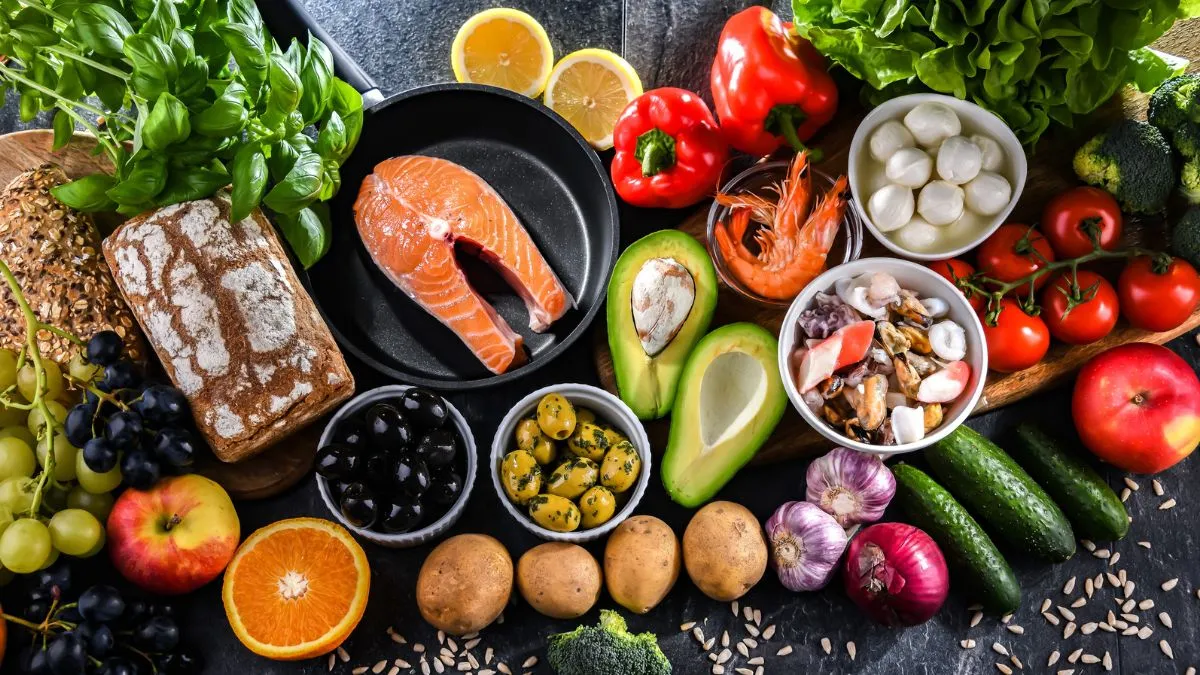
A shaky, foggy afternoon can make food feel like the enemy when the real problem is often the pattern on the plate. The right meals can help you regulate blood sugar without turning lunch into a math test or forcing you into a joyless list of “safe” foods. For many Americans, the better move is building meals around fiber, protein, healthy fats, and slower-digesting carbs that steady energy instead of sending it on a roller coaster.
This matters because blood sugar is not only a diabetes issue. It affects focus at work, hunger after dinner, cravings during long commutes, and how your body feels after a typical grocery-store breakfast. A simple plate of eggs, beans, greens, oats, berries, salmon, or lentils can do more than another “sugar-free” snack with a fancy label. For readers who care about practical wellness, healthy lifestyle guidance should feel usable in an ordinary U.S. kitchen, not locked behind expensive meal plans. The goal is not perfection. The goal is a plate that works with your body more often than it works against it.
Regulate Blood Sugar With Fiber-First Foods
Fiber is the quiet worker in a steady-energy meal. It slows digestion, adds fullness, and changes how fast carbohydrates reach your bloodstream. The CDC notes that carbs raise blood sugar, but eating carbs with protein, fat, or fiber can slow that rise, which is why the whole meal matters more than one isolated food.
Why Beans and Lentils Deserve More Respect
Beans and lentils rarely get treated like headline foods in American kitchens, yet they may be one of the smartest choices for steady glucose. Black beans, pinto beans, chickpeas, split peas, and lentils bring fiber and plant protein together in the same bite. That pairing matters because it slows the pace of digestion without making the meal feel small.
A bowl of lentil soup with vegetables can carry someone through a workday better than a low-fat snack pack. The surprise is that beans do contain carbs, but those carbs behave differently from soda, white bread, or candy. They arrive with fiber, minerals, and texture, so the body has to do more work before glucose enters the blood.
A practical U.S. example is a burrito bowl made with black beans, grilled chicken, lettuce, salsa, avocado, and a modest scoop of brown rice. That meal has more staying power than a giant tortilla stuffed mostly with rice. The difference is not punishment. It is structure.
How Oats, Barley, and Vegetables Change the Meal
Oats and barley earn their place because they bring soluble fiber into breakfast and lunch in a way most people can keep doing. A warm bowl of oats with chia seeds, walnuts, and berries lands differently than sweet cereal with skim milk. One meal gives your body work to do. The other can disappear fast and leave hunger behind.
Non-starchy vegetables also help because they add volume with fewer digestible carbs. The ADA describes the Diabetes Plate Method as filling half a 9-inch plate with non-starchy vegetables, one quarter with protein, and one quarter with carbohydrate foods. That simple shape works because it keeps the meal balanced before you even count anything.
Spinach, broccoli, zucchini, peppers, mushrooms, cabbage, and cauliflower are not magic foods. They are useful foods. Add them to eggs, tacos, soups, frozen skillet meals, or rotisserie chicken plates, and the meal becomes calmer without feeling like a diet project.
Protein and Healthy Fats Make Carbs Behave Better
Once fiber sets the pace, protein and fat help keep the meal steady. They do not erase carbs, and they should not be used as an excuse to ignore portions. Still, they change the way a plate feels in the body, especially when someone is used to eating toast, cereal, crackers, or sweet coffee alone.
Eggs, Greek Yogurt, and Fish Keep Hunger From Taking Over
Protein works best when it shows up early in the meal, not as an afterthought. Eggs with sautéed vegetables, plain Greek yogurt with berries, cottage cheese with cinnamon, or tuna over greens can make breakfast or lunch feel more settled. The ADA also lists non-starchy vegetables, protein foods, fruits, fats, and other nutrient-rich foods as part of eating well with diabetes.
The hidden win is appetite control. Many people chase sugar in the afternoon because breakfast was mostly starch and caffeine. A bagel can taste fine at 8 a.m. and still leave you hunting for candy at 3 p.m. Add eggs, smoked salmon, turkey, tofu, or Greek yogurt, and the same morning has a different ending.
Fish deserves a special mention because it gives protein with fats that fit a heart-smart pattern. Salmon, sardines, trout, and tuna can sit beside roasted vegetables and a small baked sweet potato without making the plate feel clinical. That is how blood sugar friendly foods become normal meals instead of medical chores.
Nuts, Seeds, and Avocado Add Staying Power
Healthy fats slow the meal down and make it satisfying. Almonds, walnuts, pistachios, chia seeds, pumpkin seeds, olive oil, and avocado can help a meal last longer when portions stay sensible. A handful of nuts beside fruit often works better than fruit alone because the fat and protein soften the glucose rise.
The counterintuitive part is that “healthy” fats still carry calories. A giant smoothie with nut butter, dates, banana, and sweetened protein powder can look clean while acting like dessert. Better choices are smaller and more deliberate: chia in oats, avocado on eggs, olive oil on vegetables, or walnuts over plain yogurt.
A useful grocery habit is buying plain versions first. Plain yogurt, unsalted nuts, canned fish in water or olive oil, and no-sugar-added nut butter give you control. Flavored versions can turn low glycemic foods into sugar-heavy snacks before you notice the label.
Smart Carbs Beat Carb Fear
Carb fear has made eating harder than it needs to be. Some people with diabetes or insulin resistance do need careful carb targets from their clinician, but most steady-energy meals still leave room for the right carbs in the right portions. The CDC says carbs can be part of a healthy diet for people with diabetes when people choose and portion them wisely.
Whole Fruit Is Not the Same as Fruit Juice
Whole fruit brings water, fiber, chewing, and natural sweetness in one package. Berries, apples, pears, oranges, peaches, and kiwi can fit well when paired with protein or fat. Fruit juice is different because it removes much of the chewing and fiber, so it can raise glucose faster than whole fruit.
A good example is breakfast. An orange with eggs and whole-grain toast behaves differently from a large glass of orange juice beside a pastry. The first plate asks the body to digest. The second sends sugar in fast and often leaves hunger close behind.
Berries are a strong everyday choice because they give sweetness with fiber and color. Frozen berries also help families keep costs down, especially when fresh prices climb. Add them to plain Greek yogurt, oats, or chia pudding, and you have a meal that supports balanced glucose levels without tasting like a compromise.
Sweet Potatoes, Brown Rice, and Quinoa Need Portion Control
Slow carbs still need boundaries. Sweet potatoes, brown rice, quinoa, corn, whole-grain pasta, and farro can fit into a steady plate, but the serving size changes the result. A small scoop beside protein and vegetables is different from a bowl built mostly on starch.
This is where many people get tricked. They swap white rice for brown rice and assume the job is done. Brown rice has more fiber and nutrients, but a huge portion can still push glucose higher than expected. Better balance comes from the plate, not the label.
A practical dinner might be grilled chicken, roasted broccoli, a small sweet potato, and olive oil dressing. Another could be turkey chili with beans and vegetables, served with a few whole-grain crackers instead of a pile of chips. These high fiber meals feel full because they are built with friction in the best way.
Food Timing, Pairing, and Real-Life Habits Matter
Food choice matters, but timing and pairing decide whether those choices work on a normal Tuesday. A perfect list of foods fails when breakfast gets skipped, lunch becomes coffee, and dinner turns into the first full meal of the day. Blood sugar responds to habits, not intentions.
Start With the Foods That Slow the Meal
Eating protein, vegetables, or salad before a large carb portion can make the meal feel steadier for many people. The reason is simple: the body receives fiber, fat, and protein before the fastest glucose load arrives. It is not a trick. It is meal order.
At a diner, that might mean eating eggs first, then a smaller portion of toast or potatoes. At a family barbecue, it may mean starting with grilled chicken and salad before pasta salad. At a fast-casual restaurant, it may mean choosing a bowl with greens and protein as the base, then adding beans or rice in a measured scoop.
This approach helps because it does not require special food. It uses ordinary food in a smarter order. For people checking glucose with a meter or continuous glucose monitor, the feedback can be eye-opening, and the ADA’s 2026 guidance supports continuous glucose monitoring for many people whose treatment plan benefits from it.
Build Repeatable Meals, Not Perfect Days
A repeatable meal beats a perfect meal that happens once. Most Americans need a few reliable defaults: eggs with vegetables, yogurt with berries and seeds, tuna salad over greens, bean soup, chicken with vegetables and sweet potato, or oatmeal with nuts. These meals are not flashy, but they hold up under stress.
Snacks work the same way. Apple with peanut butter, cheese with whole-grain crackers, hummus with vegetables, roasted chickpeas, or a boiled egg with fruit will usually land better than pretzels alone. The goal is not to ban snack foods forever. The goal is to stop sending your body into the same spike-and-crash loop every afternoon.
Hydration, sleep, movement, and medication timing also matter. Food cannot replace diabetes medicine, insulin, or clinical care, and anyone with diabetes, pregnancy, kidney disease, hypoglycemia, or medication changes should talk with a healthcare professional before making major diet shifts. Still, food gives you a daily lever, and that lever works best when it feels ordinary enough to repeat.
The smartest way to regulate blood sugar is to stop treating food like a moral test and start treating meals like design. Build your plate with fiber first, add protein that satisfies, choose carbs with texture, and use fat with purpose. These choices can support steadier energy, fewer cravings, and better long-term habits without turning every bite into a rule.
A better blood sugar routine also teaches patience. One salad will not fix months of erratic eating, and one dessert will not ruin a strong pattern. What matters is the meal you return to after the busy day, the skipped breakfast, the road trip, or the holiday table. Start with one anchor meal this week, make it simple enough to repeat, and let your kitchen become the first place your health gets easier.
Frequently Asked Questions
What foods help keep blood sugar stable after meals?
Beans, lentils, eggs, Greek yogurt, fish, vegetables, oats, berries, nuts, and seeds can help steady the rise after meals. The best results usually come from pairing carbs with protein, fiber, or healthy fat instead of eating carbs by themselves.
Are bananas bad for people watching blood sugar?
Bananas are not bad, but portion and ripeness matter. A small banana paired with peanut butter or Greek yogurt is usually steadier than a large ripe banana eaten alone. People with diabetes should track their own response because tolerance varies.
Can oatmeal help with balanced glucose levels?
Oatmeal can support balanced glucose levels when it is plain, portioned well, and paired with protein or fat. Steel-cut or old-fashioned oats usually work better than sweet instant packets. Add walnuts, chia seeds, cinnamon, or berries instead of brown sugar.
Which vegetables are best for blood sugar friendly foods?
Broccoli, spinach, peppers, zucchini, mushrooms, cauliflower, cabbage, green beans, and leafy greens are strong choices. They add volume, fiber, and nutrients without a heavy carb load, making them easy to add to eggs, soups, bowls, and dinners.
Do low glycemic foods always prevent blood sugar spikes?
Low glycemic foods can help, but they do not guarantee a flat response. Portion size, cooking method, what you eat with them, sleep, stress, and medication all play a role. A balanced plate still matters more than one label.
Is fruit safe when trying to lower sugar cravings?
Whole fruit can fit well because it brings fiber, water, and chewing. Berries, apples, pears, oranges, and peaches are better daily choices than juice or dried fruit. Pairing fruit with nuts, yogurt, or cheese often keeps hunger calmer.
How often should someone eat high fiber meals?
Most people do better when high fiber meals show up daily, not once in a while. Start slowly if your current diet is low in fiber, and drink enough water. Beans, oats, vegetables, berries, and seeds make the habit easier.
Can food replace diabetes medication?
Food cannot replace prescribed diabetes medication or insulin. Better meals can support glucose control, but medication changes should only happen with a healthcare professional. This is especially important for anyone at risk of low blood sugar or using insulin.