
A cancer diagnosis can make life feel like it changed in one phone call, but prevention often begins in ordinary rooms: the kitchen, the bedroom, the grocery aisle, the doctor’s office. The best ways to reduce cancer risk are not built around fear or perfect living. They are built around choices you can repeat on a busy Tuesday without turning your life upside down.
For Americans, this matters because daily life often pushes in the other direction. Long commutes, drive-thru dinners, late-night screens, sitting-heavy jobs, and cheap processed food make unhealthy routines feel normal. A smarter health routine starts with honest information, and trusted public resources such as everyday wellness guidance can help readers think about prevention before a crisis forces the conversation.
No habit can promise full protection. Cancer has many causes, including age, genetics, environment, infections, and plain bad luck. Still, major health groups agree that tobacco avoidance, healthier eating, regular movement, weight control, vaccines, alcohol limits, and screening can lower risk for several cancers. That is not a small thing. That is power hiding in plain sight.
Reduce Cancer Risk by Changing What Comes Into Your Body
The first prevention fight often starts with what enters your mouth, lungs, and bloodstream. That sounds dramatic, but it is practical. Food, smoke, alcohol, and even daily portion patterns shape inflammation, hormones, digestion, and body weight over years. One meal will not decide your future. A thousand repeated choices might.
Why avoiding tobacco is still the strongest daily cancer prevention move
Tobacco is not an old public health warning that belongs in school posters. It remains one of the clearest cancer risks in American life. Smoking harms more than the lungs because tobacco smoke carries chemicals that move through the body and damage cells in many places, including the mouth, throat, bladder, pancreas, kidney, and cervix.
The uncomfortable truth is that “cutting back” often gives people emotional comfort before it gives the body much protection. Someone who smokes fewer cigarettes may feel progress, and progress matters, but the real win is building a quit plan that survives stress. A nicotine patch, quitline, medication, counseling, or a doctor’s help may sound less dramatic than willpower. It also works better for many people.
Secondhand smoke deserves the same seriousness. A parent who never smokes inside the house but smokes in the garage may think the line is clean. It rarely is. Smoke clings to clothes, cars, and routines, then drifts back into family life like an unpaid bill. A smoke-free home and car protect children, partners, guests, and the person trying to quit.
How a plant-forward plate beats food fear
Food advice gets messy because people want one villain. Sugar. Seed oils. Red meat. Gluten. The stronger pattern is less flashy: more vegetables, fruits, beans, lentils, whole grains, nuts, and fewer heavily processed foods. The American Cancer Society recommends a healthy eating pattern that includes plenty of colorful plant foods and limits red and processed meats, sugar-sweetened drinks, and highly processed foods.
A practical American plate does not need to look like a wellness magazine. A bowl of chili with beans, tomatoes, onions, and lean turkey can be a better weeknight choice than a fast-food burger and fries. A peanut butter sandwich on whole-grain bread with an apple can beat a vending-machine lunch. Prevention often looks ordinary when it is done well.
Processed meat deserves special care because it hides inside routine meals. Bacon at breakfast, deli meat at lunch, hot dogs at cookouts, and pepperoni pizza on Friday can stack up without feeling excessive. The counterintuitive move is not to make food joyless. It is to treat processed meat as an occasional flavor, not a daily backbone.
Build Movement Into the Day Before Exercise Becomes a Chore
Healthy eating matters, but the body also needs motion. Many Americans think exercise starts only when shoes are tied, a gym membership is paid, and a timer begins. That mindset keeps people stuck. Movement works better when it becomes part of the day’s architecture, not another task waiting at the end of an exhausting schedule.
Why sitting less matters even when you are not “athletic”
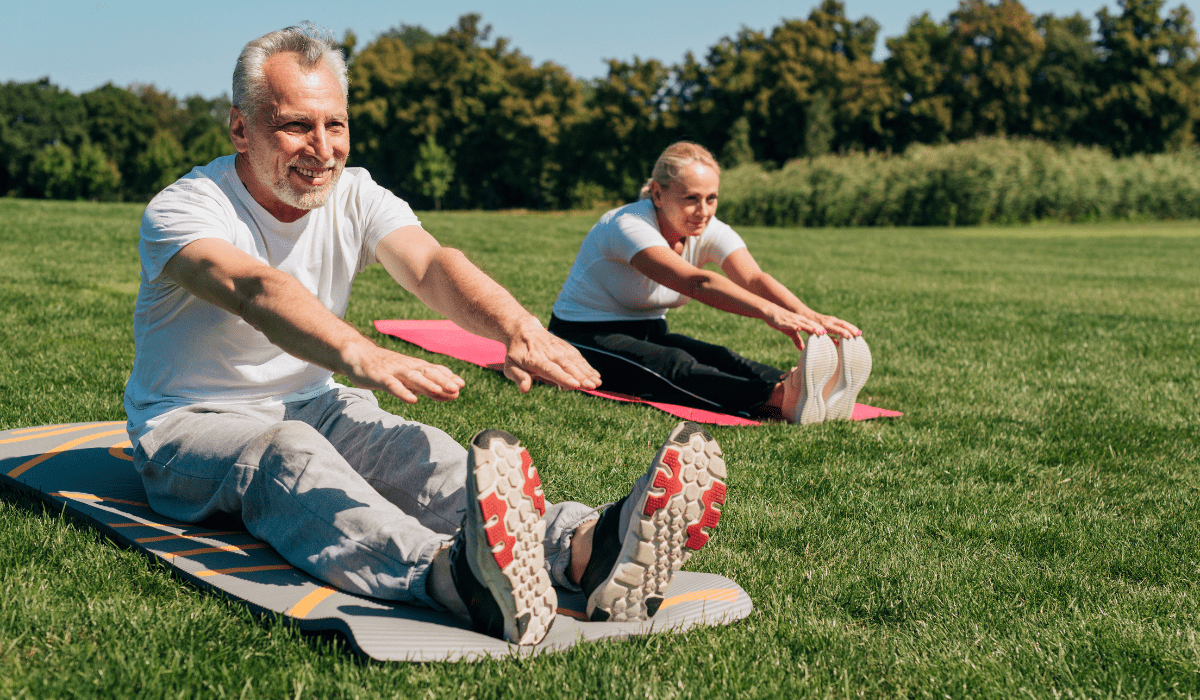
A person can finish a workout and still sit for most of the day. That is the hidden problem. Long sitting stretches are common for office workers, truck drivers, students, remote employees, and anyone who spends evenings locked into a couch-screen loop. Regular physical activity is linked with lower risk of several cancers, and health guidance often points adults toward 150 to 300 minutes of moderate activity each week.
The smartest entry point is usually smaller than people expect. A 10-minute walk after lunch, stairs at work, a standing phone call, or a short evening walk around the block can interrupt the pattern. None of that looks heroic. That is why it lasts.
Movement also changes how you experience your own body. You start noticing sleep, appetite, mood, stiffness, and energy with more honesty. That awareness can lead to better choices without the misery of a strict plan. Prevention grows faster when it feels like self-respect instead of punishment.
How daily routines can turn physical activity into cancer prevention
The gym can help, but it is not the only door. A nurse in Ohio who walks hospital halls all shift may need strength work more than treadmill time. A remote worker in Arizona may need walking breaks more than another fitness app. A parent in Georgia may need a Saturday park routine with the kids because childcare makes solo workouts unrealistic.
The body responds to repeated signals. Muscles that work more often help with blood sugar control, weight management, hormone balance, and inflammation. Those pathways matter because obesity and inactivity are connected with higher risk for certain cancers. The CDC notes that healthy eating and regular physical activity can help lower risk tied to obesity-associated cancers.
Strength training also belongs in the conversation. Two short sessions a week using dumbbells, resistance bands, machines, or body weight can help preserve muscle as adults age. That matters after 40, when many people gain weight not because they suddenly became careless, but because muscle quietly decreased while habits stayed the same.
Protect Your Body From Risks You Cannot Taste or Feel
Some cancer risks do not announce themselves. You cannot taste HPV exposure years later. You may not feel hepatitis B. You may not notice radon in a basement or ultraviolet damage building in skin. This is where daily habits must stretch beyond diet and exercise into protection, testing, and the less glamorous side of prevention.
Why vaccines and screenings belong in a prevention routine
Vaccines can prevent infections that raise cancer risk. HPV vaccination helps protect against cancers linked to human papillomavirus, including cervical, anal, throat, penile, vaginal, and vulvar cancers. Hepatitis B vaccination can lower risk tied to chronic hepatitis B infection and liver cancer. These are not “extra” health steps. They are prevention tools with a long memory.
Screening works differently. It does not always prevent cancer from starting, but it can find certain cancers early or catch abnormal changes before they become dangerous. Colonoscopy can remove precancerous polyps. Pap and HPV testing can detect cervical risk early. Mammograms, lung cancer screening for eligible former or current smokers, and skin checks can change the timing of a diagnosis.
The overlooked habit is scheduling before symptoms appear. Many people wait because they feel fine, but screening is built for the quiet stage. A 52-year-old man in Texas who finally books a colonoscopy after years of delay may discover polyps that can be removed before they turn into a much harder story. Prevention can be boring. Boring is a gift.
How sunlight, radon, and home exposures deserve attention
Skin cancer prevention is often treated like beach advice, but ultraviolet exposure follows people through daily life. Driving, yard work, kids’ sports, fishing, walking the dog, and outdoor job sites all add up. Sunscreen helps, but shade, hats, sunglasses, and protective clothing often work better because they do not depend on perfect reapplication.
Radon is another risk many homeowners ignore because it feels invisible and technical. It is a naturally occurring radioactive gas that can collect indoors, especially in lower levels of homes. Testing is simple, and mitigation can reduce exposure. For families buying older homes in parts of Pennsylvania, Iowa, Ohio, or the Mountain West, radon testing should feel as normal as checking the roof.
Workplace and household exposures matter too. Painters, construction workers, mechanics, farm workers, salon workers, and factory employees may face chemicals or dust that office workers never think about. Reading labels, using ventilation, wearing protective gear, and following safety rules may feel inconvenient. Cancer prevention sometimes looks like a mask, gloves, and a fan in the window.
Make Prevention Easier Than the Bad Habit
Most people do not fail at prevention because they lack information. They fail because their environment keeps voting against them. The snack in the cabinet wins at 10 p.m. The beer in the fridge wins after a hard day. The phone wins over sleep. The missed appointment wins because calling the doctor feels like one more task.
Why alcohol limits and sleep routines need more respect
Alcohol occupies a strange place in American health culture. People know heavy drinking is risky, but many still treat moderate drinking as harmless. Evidence links alcohol with several cancers, and risk can rise with the amount consumed. For prevention, less is better, and not drinking is a valid choice rather than a social problem to explain.
The hard part is not knowing that. The hard part is Friday night. A better plan removes friction before the craving arrives: sparkling water in the fridge, smaller pours, alcohol-free nights, social plans that do not center on drinking, and honest limits before the first glass. People often make weaker decisions after they start drinking, so the real decision belongs earlier.
Sleep does not get the same direct cancer-prevention spotlight as tobacco or vaccines, yet it shapes appetite, stress, immune function, and the choices people make the next day. Poor sleep can push late snacking, skipped workouts, heavier drinking, and missed appointments. Fixing sleep is not magic. It is a support beam under the habits that carry more proven weight.
How your home setup can make healthy choices automatic
A healthy home is not a perfect home. It is a home where the better choice is easier to reach. Washed fruit at eye level, walking shoes by the door, sunscreen near the keys, a water bottle on the desk, and a calendar reminder for screening can do more than another burst of motivation.
This is where cancer risk prevention becomes personal. A single mother in Michigan may not have time for elaborate meal prep, but she can keep frozen vegetables, canned beans, eggs, oats, and rotisserie chicken ready for fast meals. A retired couple in Florida may build morning walks around cooler hours. A night-shift worker in Nevada may focus on sleep protection and packed meals because the work schedule already fights the body.
The counterintuitive lesson is that discipline often follows design. People blame themselves for weak willpower while living inside homes arranged for impulse. Rearranging the environment is not cheating. It is adult-level honesty about how humans work.
Daily prevention also needs kindness. Missing workouts during a stressful week does not erase progress. Eating birthday cake does not ruin a healthy pattern. The real danger is the all-or-nothing mood that turns one imperfect choice into a full retreat. Strong routines bend, then return.
Cancer will never be reduced to a checklist, and no honest health writer should pretend otherwise. Still, the best ways to reduce cancer risk give you a practical place to stand: do not smoke, move often, eat more plant-forward meals, limit alcohol, protect your skin, stay current on vaccines and screenings, and make your home support the person you want to become. Start with the habit that feels closest, repeat it until it feels normal, then add the next one. Your future health is not built in one grand gesture; it is built in the quiet choices you stop postponing.
Frequently Asked Questions
What daily habits help lower cancer risk the most?
Avoiding tobacco, staying active, eating more plant-based foods, limiting alcohol, protecting skin from UV exposure, keeping a healthy weight, and staying current on vaccines and screenings carry the strongest prevention value. Start with the habit you can repeat most consistently.
Can healthy eating prevent cancer completely?
No diet can guarantee cancer prevention. A healthy eating pattern can lower risk for some cancers by supporting weight control, digestion, inflammation balance, and better nutrient intake. The strongest approach includes vegetables, fruits, beans, whole grains, nuts, and fewer processed meats.
How much exercise should adults get for cancer prevention?
Many health guidelines point adults toward 150 to 300 minutes of moderate activity each week, or 75 to 150 minutes of vigorous activity. Walking, cycling, swimming, dancing, yard work, and strength training all count when done with consistency.
Does alcohol increase cancer risk even in small amounts?
Alcohol is linked with several cancers, including breast, liver, mouth, throat, esophageal, and colorectal cancers. Risk generally rises as intake increases. People who want the lowest risk can choose not to drink, while others can reduce frequency and serving size.
Which cancer screenings should Americans not ignore?
Common screenings include colorectal cancer screening, cervical cancer screening, mammograms, lung cancer screening for eligible high-risk adults, and skin checks when risk is higher. The right schedule depends on age, family history, health history, and your doctor’s guidance.
How does body weight affect cancer risk?
Excess body weight can influence hormones, inflammation, insulin levels, and other pathways tied to several cancers. Weight goals should be realistic and medically sound. Better food quality, regular movement, sleep support, and smaller habit changes often work better than extreme dieting.
Are vaccines part of cancer prevention?
Yes. HPV vaccination helps protect against cancers linked to human papillomavirus, while hepatitis B vaccination helps reduce risk tied to chronic hepatitis B infection and liver cancer. These vaccines work best before exposure, but many adults should still ask their clinician about eligibility.
What is the easiest first step to reduce cancer risk?
Remove tobacco exposure first if it applies to you. If not, start with a daily 10-minute walk or add one fruit or vegetable to a meal you already eat. The best first step is small enough to repeat without needing a perfect week.