
Your energy is not missing. It is being mismanaged. Most people do not have a motivation problem. They have a rhythm problem. They wake up tired, eat in a rush, sit too long, scroll too late, then wonder why the day feels heavy before lunch. That pattern can drain even strong people.
Smart Health Strategies matter because daily vitality is rarely built through one heroic choice. It comes from ordinary decisions repeated with a bit of discipline and a bit of common sense. Sleep still runs the show, and regular movement still does more work than fancy wellness trends ever will. Adults are generally advised to get enough good sleep, and global guidance still points to regular weekly activity as a basic standard for health.
I learned this the boring way. Not from a perfect routine, but from the weeks when my focus dipped, my mood went sideways, and my body felt older than it was. Energy did not come back through hype. It came back through structure. That is the real edge: not intensity, but repeatability. Once you understand that, your daily vitality goals stop feeling distant and start feeling negotiable.
Build a Morning That Wakes Up Your Body Before the World Takes Over
Your first hour sets the tone, whether you admit it or not. A sloppy morning does not always ruin the day, but it often puts you on defense. You end up reacting instead of leading.
Light matters more than people think. Opening the curtains, stepping outside, or even standing on a balcony for ten minutes tells your body it is time to get moving. That one act can help shake off the fog that follows a late night or broken sleep.
Food also needs better timing. I am not saying everyone must eat the second they wake up. I am saying chaos is a terrible breakfast plan. A glass of water, a simple protein-rich meal, and a few calm minutes beat caffeine on an empty stomach and panic in your inbox.
A friend of mine used to begin every day by checking messages in bed. By 8:15, she was already tense. She switched to water, daylight, and a ten-minute walk before touching her phone. Within two weeks, she said the day felt less like a fight. That tracks.
You do not need a sacred sunrise ritual with candles and expensive powders. You need a repeatable start. That is less glamorous. It is also far more useful.
Eat in a Way That Protects Your Energy Instead of Borrowing It
Most people do not notice how badly their meals are negotiating against them. They eat for speed, taste, or convenience, then blame themselves when the afternoon crash hits like a bus.
Steady energy usually comes from meals that combine protein, fiber, and something real from the ground or the tree. Not perfection. Just balance. Eggs with fruit work. Lentils and rice work. Yogurt with nuts works. A pastry and a second coffee can feel fun for forty minutes, then turn into regret with legs.
The bigger issue is blood sugar whiplash. When you swing from almost nothing to too much, your body pays the price in focus, patience, and stamina. You feel “off,” then keep chasing quick fixes. That cycle is sneaky.
I saw this in my own routine during a stretch of hard deadlines. Lunch became whatever I could grab with one hand. By 3 p.m., I was hungry, irritable, and weirdly tired. Once I went back to simple meals I could trust, the difference was not dramatic. It was better than dramatic. It was dependable.
That is what you want. Food that gives you a longer runway. Daily vitality goals do not live in detox nonsense. They live in meals that keep your body from arguing with you all afternoon.
Smart Health Strategies Work Best When Movement Stops Feeling Like Punishment
Exercise gets sold with too much ego. That is half the problem. People think if they cannot do a brutal class, a hard run, or a full gym hour, the effort does not count. That belief wrecks more routines than laziness ever does.
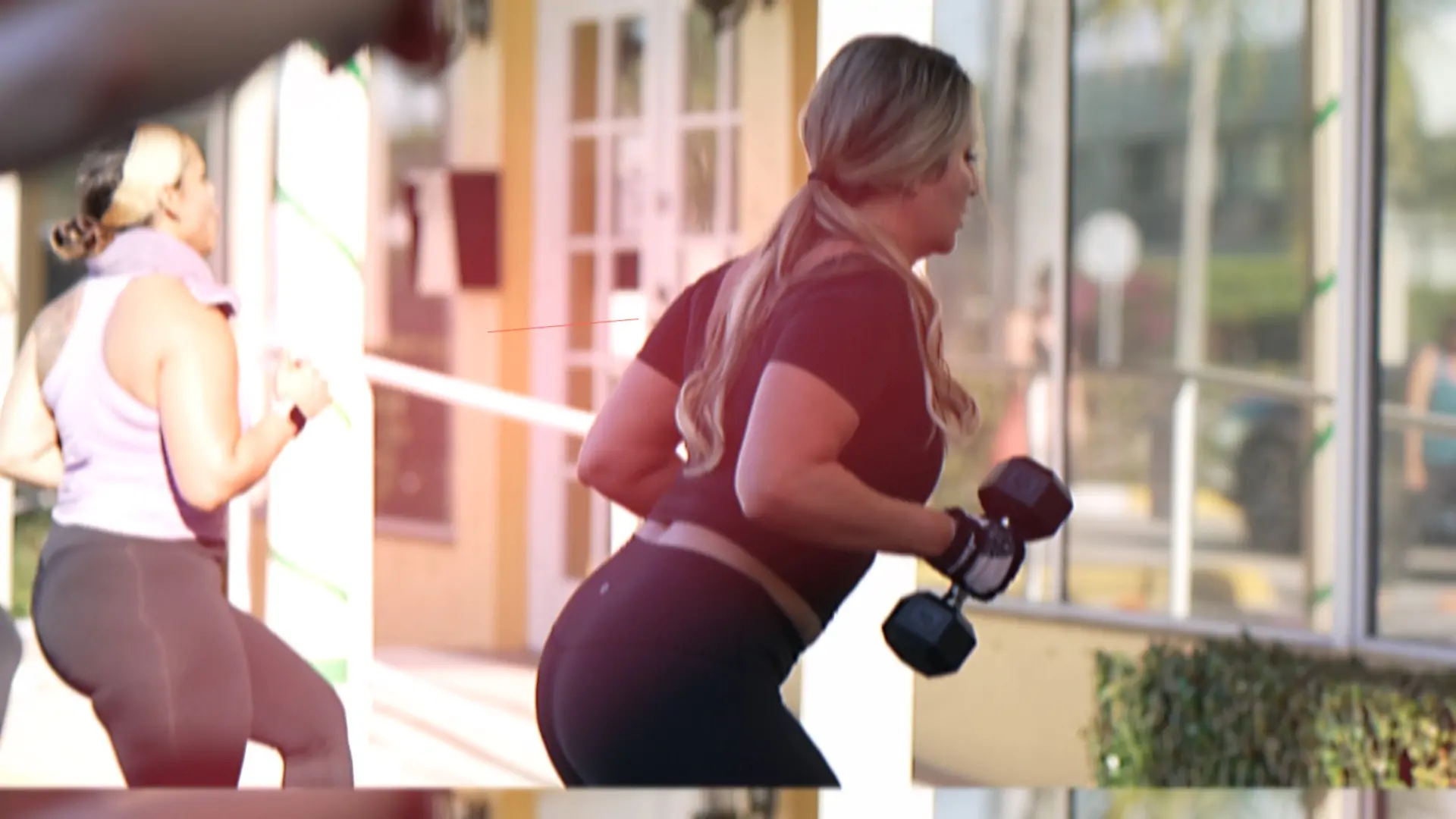
The body responds well to regular movement, even when it looks ordinary. Walking counts. Carrying groceries counts. Taking stairs counts. Strength training twice a week can matter a lot, and brisk movement across the week adds up faster than most people assume. The World Health Organization still recommends at least 150 minutes of moderate activity per week for many adults, which is a useful target because it is demanding enough to matter and realistic enough to reach.
Here is the counterintuitive part: smaller sessions often win. A twenty-minute walk after dinner, ten minutes of mobility in the morning, and a couple of strength sessions can beat a grand plan you quit by Thursday.
My neighbor started with five squats while the kettle boiled. Ridiculous? Maybe. Three months later, he was walking more, sleeping better, and had dropped the “I’m just not disciplined” story.
Movement should support your life, not dominate it. When it fits your actual schedule, it lasts. That is the whole point.
Stress Steals More Energy Than a Busy Schedule Ever Could
A packed day can tire you out, sure. Unchecked stress can flatten you. There is a difference. One leaves you pleasantly spent. The other makes you feel wired, foggy, and oddly fragile at the same time.
Your body keeps score fast. Tight shoulders, shallow breathing, a short temper, random snacking, trouble falling asleep. Those are not personality flaws. They are signals. Ignore them long enough and you start mistaking strain for normal life.
The fix is not always a long break. Sometimes it is interruption. Two minutes of slower breathing before a meeting. A ten-minute walk without your phone. A hard stop for lunch instead of eating over a keyboard. Small breaks look unimpressive from the outside. Inside the nervous system, they can change the whole afternoon.
Sleep deserves a blunt point here. When sleep slips, stress gets louder. The NHLBI notes that sleep supports physical health and healthy brain function, which is exactly why poor nights make small problems feel bigger than they are.
I do not trust any health advice that pretends people can meditate their way through a schedule built on constant overload. Sometimes the smart move is not calming down. It is cutting one unnecessary thing and defending your evenings like they matter. Because they do.
Consistency Beats Intensity When You Want Energy That Actually Lasts
People love dramatic resets because they feel like action. New rules. New gear. New promises. Then real life shows up, and the plan collapses by next Tuesday.
The better route looks less exciting. You choose a few habits you can hold on bad days, not just good ones. That means a bedtime range instead of a fantasy bedtime. It means meals you can make when you are tired. It means movement you can do in regular clothes if needed.
I have watched people change fast once they stop asking, “What is the perfect routine?” and start asking, “What can I repeat when work gets messy?” That question is gold. It shifts your standards from ideal to durable.
Write your baseline. For example: walk twenty minutes, eat one decent lunch, shut screens an hour before bed four nights a week, and lift weights twice. That is a plan with a pulse. It bends without breaking.
The harsh truth is that intensity flatters your ego. Consistency rebuilds your body. One gets applause. The other gets results.
That is why health should feel a little boring sometimes. Boring means stable. Stable means useful. Useful is what keeps you moving toward Smart Health Strategies that still make sense six months from now.
Daily vitality goals do not need more drama. They need systems you will still respect when life gets loud.
The Real Win Is Not More Energy for One Day, but a Better Life Pattern
Most people chase energy like it is a mood. It is not. It is often the result of how you sleep, move, eat, recover, and choose your pace when nobody is watching. That is why quick fixes disappoint. They offer a spark and call it progress.
A better approach asks tougher questions. Are you building a day your body can actually handle? Are you feeding focus or draining it? Are you resting early enough, moving often enough, and saying yes to fewer things that leave you scattered? Those answers shape far more than any supplement bottle ever will.
What I like about real health work is that it gives you your dignity back. You stop feeling pushed around by fatigue. You begin to notice patterns, make cleaner choices, and trust yourself again. That shift is quiet, but it changes everything.
Smart Health Strategies are not about becoming a different person. They are about becoming easier to live inside your own body. That is a worthy goal, and it is closer than it looks.
Start with one change today. Pick the habit you know would make tomorrow better, lock it in for seven days, and treat it like a promise. Then build from there. Your next level of energy will not arrive by accident. Go claim it.
What are the best smart health strategies for busy adults?
The best ones are the habits that survive a packed schedule: regular sleep, simple meals with protein, daily walking, short strength sessions, and firm screen limits at night. Busy adults do better with routines that are realistic, not dramatic.
How can I improve daily energy without relying on caffeine all day?
You improve energy by fixing the basics first. Drink water early, eat a real breakfast or balanced first meal, get daylight, move during the day, and protect sleep. Caffeine can help, but it should support your day, not carry it.
Why do healthy routines fail even when motivation feels strong?
Healthy routines fail when they ask too much, too fast. Motivation gets you started, but structure keeps you going. If your plan only works on easy days, it is not a plan. It is wishful thinking dressed up as discipline.
What should I eat for steady energy throughout the day?
Eat meals that keep you level instead of spiking and crashing you. Protein, fiber, healthy fats, and minimally processed carbs work well together. Think eggs and toast, lentils and rice, or yogurt with fruit and nuts.
How much exercise do I really need for better vitality?
You do not need endless workouts. You need regular movement. A good weekly target includes brisk walking, general activity, and a couple of strength sessions. Done consistently, that is enough to lift energy, mood, and stamina for most people.
Can better sleep really change my mood and focus that much?
Yes, and more than most people expect. Poor sleep makes small stress feel huge, weakens patience, and muddies focus. Better sleep does not solve every problem, but it gives your brain a fair chance to handle the day properly.
What morning habits help daily vitality goals the fastest?
Morning light, water, a calm start, and some physical movement usually help fast. You do not need a fancy routine. You need a morning that wakes up your body before notifications, emails, and other people start pulling at your attention.
Is walking enough to count as real exercise for health?
Walking counts, full stop. It helps circulation, mood, and general fitness, and it is one of the easiest habits to keep for years. Add pace, hills, or consistency, and it becomes far more powerful than people give it credit for.
How do I stay healthy when work stress keeps ruining my routine?
You lower the size of the routine before you abandon it. Short walks, simple meals, earlier shutdowns, and brief breathing breaks can carry you through high-stress weeks. Hard seasons need flexible standards, not self-punishment.
What is the biggest mistake people make with healthy living?
They chase intensity instead of repeatability. A punishing routine can feel impressive for a week, then disappear. The smarter path is a modest plan you can hold when you are tired, busy, annoyed, and still human.
How can I set daily vitality goals that I will actually keep?
Set goals around actions, not vague hopes. Choose targets like walking twenty minutes, sleeping by a certain time range, or eating one balanced lunch each workday. Specific habits give you something to do, not just something to want.
Are supplements necessary for better energy and daily wellness?
Most people should not start there. If your sleep, meals, movement, and stress are sloppy, supplements will not rescue you. Fix the foundation first. After that, talk to a qualified professional if you think something is truly missing.