
Most people do not fail at fitness because they are lazy. They fail because they build a routine that insults real life. Work runs late, sleep gets messy, motivation disappears, and the grand plan falls apart by Thursday. That is why practical fitness habits matter more than flashy challenges or punishing schedules.
You do not need a perfect week. You need a repeatable one. The sweet spot for most adults is not heroic effort but regular movement, basic strength work, and less time parked in a chair. The World Health Organization recommends at least 150 minutes of moderate activity each week, plus muscle-strengthening work on two or more days. That target sounds big until you break it into normal human chunks.
I learned this the boring way. The routines that changed my energy were never the dramatic ones. They were the ones I could still do on a bad Tuesday. Read the WHO physical activity guidance if you want the official benchmark, but the real win is simpler: build habits that survive your actual life. That is how active daily living stops being a slogan and starts becoming your default.
Start smaller than your ego wants
Big plans feel exciting because they let you pretend you changed overnight. Real change rarely works like that. Your body can handle ambition. Your schedule usually cannot.
A smarter move is to set a floor so low you almost laugh at it. Ten minutes of walking after lunch. Eight bodyweight squats while the kettle boils. One short mobility circuit before a shower. Tiny? Yes. Effective? Also yes, because small actions avoid the all-or-nothing trap that wrecks most routines.
I once watched a friend swear he would train six days a week after buying new shoes and a shaker bottle that looked more expensive than his groceries. By week two, he was cooked. Then he switched to twenty-minute sessions four times a week and stayed with it for months. Pride hates modest starts. Your nervous system loves them.
Your first habit should feel easy enough to repeat when your mood is flat. That is the test. If the routine only works when you feel fired up, it is not a habit yet. It is a performance.
That is where many people miss the point of practical fitness habits. The goal is not to impress yourself on day one. The goal is to make day thirty feel ordinary.
Build movement into the day you already have
Most people try to bolt fitness onto a packed schedule like a badly fitted shelf. Then they wonder why it falls off. The better play is to tuck movement inside the life you already live.
Walking is the obvious example, and for good reason. It is underrated because it looks too plain to sell. Yet plain works. A ten-minute walk after two meals gives you twenty minutes without needing gym clothes, special music, or a motivational speech from the internet.
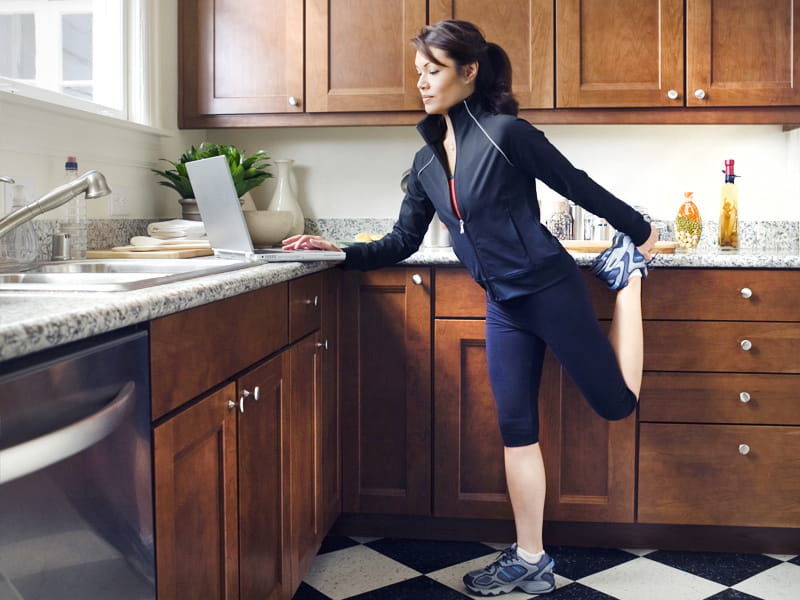
You can do the same with daily anchors. Stretch while your coffee brews. Take phone calls standing up. Park farther away on purpose. Carry groceries without treating the trip like a military campaign. These moves sound ordinary because they are. That is their power.
Office workers feel this most. Sitting all day does not just make you stiff; it makes exercise feel like another item on a miserable list. WHO notes that higher amounts of sedentary time are linked with poorer health outcomes, which is one more reason to stop waiting for the “perfect workout window.”
You do not need to turn your life into a fitness retreat. You need friction-free movement you can repeat when work is loud, family needs you, and your energy is not exactly sparkling.
Train strength like it matters, because it does
Cardio gets the spotlight, but strength training quietly pays bills all over your life. It helps you lift things, climb stairs without sounding haunted, and keep your body capable as the years stack up. That is not vanity. That is independence.
You do not need a fancy gym to start. Push-ups against a wall, split squats using a chair, rows with a backpack, and dead bugs on the floor can build a solid base. Two or three sessions a week is enough for most beginners when the work is honest.
The mistake I see all the time is chasing soreness instead of progress. Soreness is a side effect. Progress comes from doing a little more over time: one extra rep, slightly better form, a harder variation, a steadier tempo. Slow gains still count. Often they count more.
WHO recommends muscle-strengthening activity on two or more days each week for adults, and that advice deserves more attention than it gets. Walking keeps you moving. Strength work keeps you capable.
This part matters even more if your days are busy and mostly seated. When life gets physically easier, your body gets weaker unless you give it a reason not to. That reason can be simple. It just cannot be optional forever.
Use recovery to keep the streak alive
People love to talk about discipline. Fine. Discipline matters. But recovery is what lets discipline stay useful instead of turning into stubborn nonsense.
Poor sleep, nagging aches, and constant fatigue are not medals. They are warnings. If every session leaves you wrecked, your routine is badly built. Fitness should make your life feel more available, not less.
Recovery starts with boring things that work: enough sleep, water, protein, easy walks, and rest days that are real rest days. It also means paying attention to pain that changes how you move. There is a difference between effort and strain. Learn it early and save yourself months of frustration.
A man I know used to brag that he never skipped workouts, even when his knee was barking at him. Then he spent eight weeks doing almost nothing because he refused to back off for four days. That is not grit. That is terrible math.
Your body responds well to rhythm. Hard day, easier day, decent sleep, repeat. Keep that pulse steady and you stay in the game. Break it often and motivation starts bleeding out.
Consistency loves recovery. It always has.
Make your environment do half the work
Willpower is overrated. Environment is sneaky, practical, and far more dependable. If your shoes are buried in a closet and your evening routine ends on the couch with snacks and three screens, you are making movement harder than it needs to be.
Put your walking shoes near the door. Keep a mat where you can see it. Leave one dumbbell in a room you actually use. Store your water bottle filled, not hidden. These are small cues, but small cues shape behavior faster than grand promises do.
Your people matter too. Spend enough time around folks who treat movement as normal, and your standards shift without drama. That could mean a weekend walk with a neighbor, a shared lifting session, or a family rule that everyone gets outside after dinner. The best routines often feel social before they feel athletic.
There is also a sharp truth here: convenience beats intention more often than people admit. If the healthy choice takes three steps and the lazy one takes one, the lazy one wins a lot.
So rig the room. Make movement the easy choice. Make sitting the choice that takes a little more thought. That is how habits stop depending on mood and start running on design.
Conclusion
Fitness gets sold like a personality makeover, but most lasting change looks much less dramatic. You move more. You get a little stronger. You recover well enough to do it again. Then one day your body feels like an ally instead of a project that keeps getting postponed.
That is why practical fitness habits beat intensity for almost everyone. They survive rough workweeks, travel, family chaos, and those strange days when your motivation goes missing without leaving a note. The flashy plan asks you to become another person. The useful plan works with the person you already are.
My strongest opinion on this is simple: stop waiting to feel “ready” for fitness. Readiness is overrated. Action creates readiness far more often than the other way around. Start with a walk, a short strength session, or one environmental change you cannot ignore.
Then protect that routine like it matters, because it does. Pick one habit from this page and do it today, not next Monday. Your next step does not need to look impressive. It needs to happen.
FAQs
What are the best daily fitness habits for busy adults?
The best ones are the habits that fit inside a normal weekday: short walks, two or three strength sessions a week, better sleep, and less sitting. Busy adults do better with repeatable routines than heroic plans.
How can I stay active every day without going to the gym?
You can stay active by walking more, taking stairs, doing short bodyweight sessions at home, and standing during parts of your workday. Gym access helps, but it is not the gatekeeper people think it is.
How long should a beginner exercise each day for better health?
A beginner does not need marathon sessions. Start with ten to twenty minutes most days, then build up. The bigger win is showing up often enough that exercise starts feeling normal.
What is a realistic weekly fitness routine for active daily living?
A realistic week usually looks like three strength sessions, several walks, and one or two lighter recovery days. That mix gives you structure without making your schedule feel like a hostage note.
Are short workouts actually effective for improving fitness?
Short workouts work very well when you do them consistently and with intent. Fifteen focused minutes beats sixty imaginary minutes that never happen because your day went sideways.
How do I build a fitness habit that lasts more than a month?
You build a lasting habit by making the start easy, tying it to an existing routine, and lowering friction in your environment. People quit hard plans. They keep doable ones.
Is walking enough for an active and healthy lifestyle?
Walking is a strong base, especially for heart health, mood, and daily energy. Still, add some strength work if you want a more complete routine that supports muscle, balance, and long-term function.
What kind of strength training should beginners start with at home?
Beginners should start with simple patterns like squats to a chair, incline push-ups, rows with a backpack, and core drills. Fancy moves can wait until basic control feels solid.
How important is recovery in a practical fitness routine?
Recovery matters more than many people admit. Good sleep, easier days, hydration, and enough food keep your body ready to train again instead of dragging itself through the week.
How can I exercise consistently when motivation is low?
You make consistency easier by shrinking the task. Tell yourself you only need ten minutes or one set. Low motivation usually loses power once you begin moving.
What should I eat to support daily movement and exercise?
Eat in a way that supports energy and recovery: regular meals, enough protein, plenty of fluids, and foods you can stick with. You do not need a trendy diet to support solid training.
Why do most fitness routines fail after a few weeks?
Most routines fail because they demand too much, too soon, and leave no room for normal human chaos. The plan is usually the problem, not your character.