Energy crashes do not always mean you need more sleep. Sometimes they mean your plate is working against you. A lot of people chase alertness with coffee, sugar, and wishful thinking, then wonder why their brain goes foggy by mid-afternoon.
The truth is less glamorous and far more useful. Nutrition tips for lasting energy start with blood sugar control, better meal structure, and a little honesty about how you really eat when life gets busy. If breakfast is random, lunch is late, and water barely makes an appearance, your body will protest. Fair enough.
You do not need a fancy meal plan or a kitchen full of powders. You need food that burns at a steady pace, enough protein to keep you grounded, and habits that stop the daily spike-and-crash cycle. That is where real stamina comes from.
A good energy routine feels almost boring at first. Then it starts working. You think better, train better, and stop feeling like every afternoon needs rescue. That is not hype. That is your body finally getting a fair deal.
Eat for steady fuel, not quick relief
Your body likes rhythm more than drama. The problem is that modern eating often looks like drama: sweet coffee in the morning, a pastry when you panic, then a heavy lunch that knocks the lights out.
Fast-burning carbs are not evil, but they are unreliable when eaten alone. A white bagel by itself may feel convenient, yet it often gives you a fast lift followed by a hard drop. That drop is where cravings get loud and patience gets short.
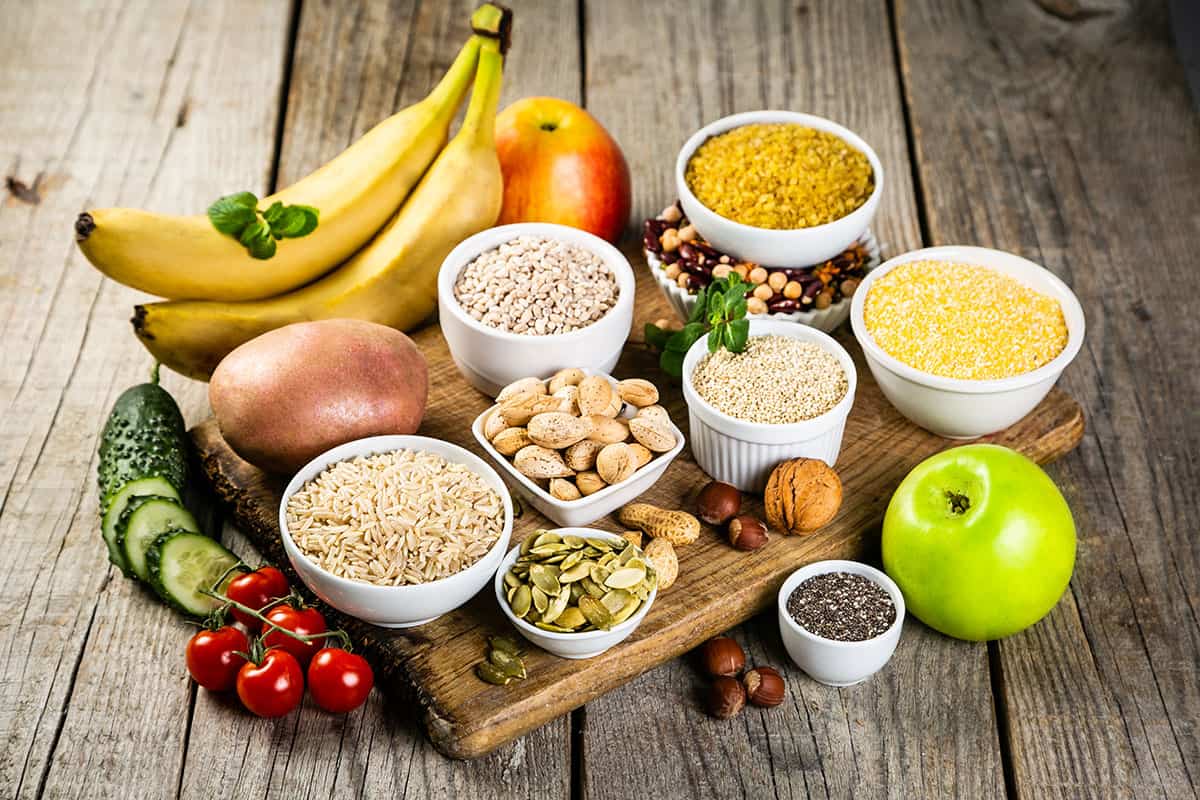
A steadier approach starts with pairing. When you eat carbs with protein, fiber, or fat, digestion slows down and energy sticks around longer. Oats with Greek yogurt work better than sugary cereal. Toast with eggs beats toast with jam if you need to stay sharp through meetings.
This matters in real life, not just on paper. Think about the office worker who grabs a muffin at 9 a.m. and feels wrecked by 11. Compare that with someone who eats eggs, fruit, and a handful of nuts. Same morning, different engine.
You do not need perfect food. You need food that behaves. That is a better standard, and it saves a lot of afternoons.
Build meals that actually hold you over
A meal should buy you time. If it leaves you rummaging through drawers one hour later, it failed the job.
The easiest fix is to stop building meals around one lonely food. A bowl of plain pasta fills your stomach, sure, but it does not anchor your energy very well. Add chicken, olive oil, spinach, and beans, and suddenly the meal has backbone. That is the difference between being fed and being fueled.
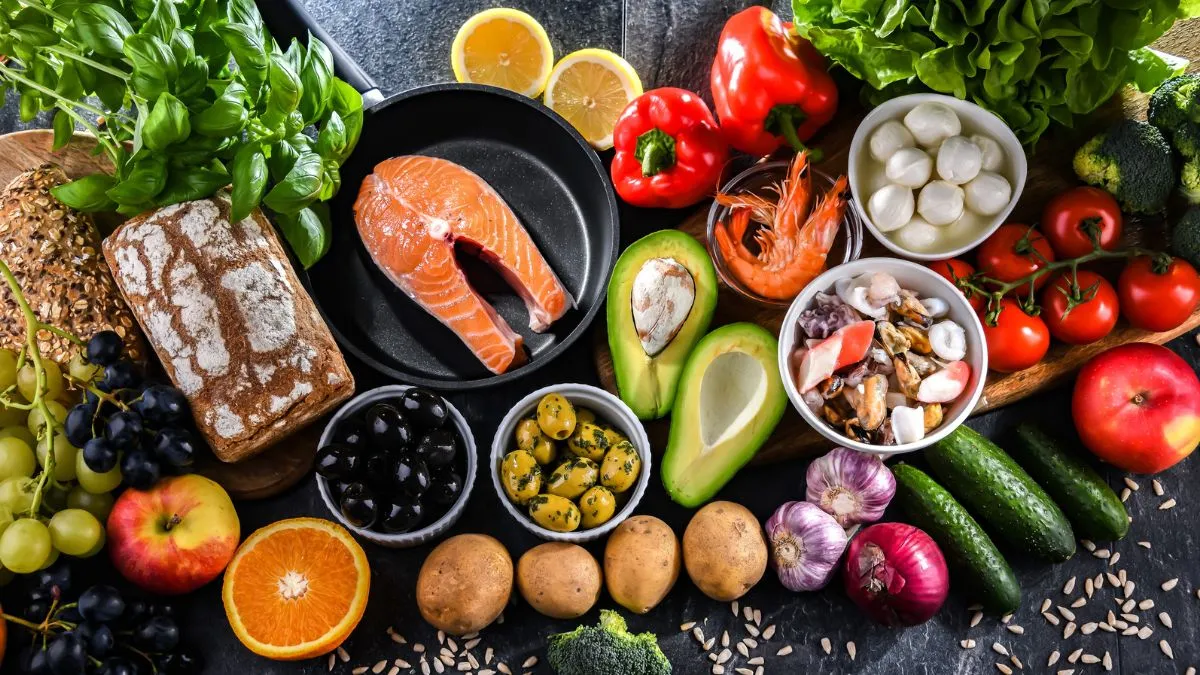
I like a simple rule: every main meal should include protein, a fiber-rich carb, color, and something satisfying. That could be rice, salmon, roasted vegetables, and avocado. It could be lentil soup with whole-grain bread and a side salad. Nothing fancy. Just balanced enough to carry you.
Here is the part people skip: satisfaction matters. If your meal is technically healthy but leaves you hunting for biscuits twenty minutes later, your body is telling you it did not land. Ignoring that rarely ends well.
For a solid starting point, keep an eye on guidance from the Harvard Healthy Eating Plate. It is useful because it is practical, not preachy.
Good meals calm your system down. That calm shows up as focus, patience, and fewer desperate snack decisions.
Fix your energy by fixing your timing
You can eat decent food and still feel wiped out if your timing is chaotic. The body does not love long stretches of under-fueling followed by a giant rescue meal. That pattern looks normal to many adults, but normal is not the same as smart.
Skipping breakfast works for some people, yet plenty of others end up overeating later and calling it poor willpower. It is often not willpower at all. It is biology keeping score. If you wait too long to eat, your choices usually get louder, faster, and messier.
Morning fuel does not need to be huge. A banana with peanut butter, eggs on toast, or yogurt with berries can steady the first half of your day. The point is not to stuff yourself. The point is to avoid starting with empty tanks and false confidence.
Lunch timing matters just as much. When you push it too late, you usually do not pick the thoughtful option. You pick the nearest one. That is how a sensible day turns into crisps, fries, or a giant sandwich inhaled in seven minutes.
Your body loves consistency more than punishment. Eat at regular intervals often enough, and your energy stops feeling like a coin toss. Not always. But often enough to matter.
Stop drinking your way into an energy crash
People talk about food and forget the drink problem. That is a mistake. A lot of fake energy comes from cups, cans, and bottles that promise lift but quietly set you up for a slump.
Start with hydration. Mild dehydration can make you feel tired, headachy, and mentally slow before you even notice thirst. That sounds dramatic until you live it on a hot day with two coffees and no water. Then it feels annoyingly familiar.
Caffeine has a place, and I am not here to insult coffee. But timing changes everything. Coffee on an empty stomach can feel like rocket fuel for an hour and emotional damage after that. Pair it with food, keep it moderate, and stop treating cup number four like a personality trait.
Sugary drinks create a similar trap. Energy drinks, sweetened lattes, and soda can spike intake fast without giving your body much staying power. You get motion, not stability. Big difference.
A better pattern looks plain because it works: water through the day, coffee with food, and fewer liquid calories pretending to solve exhaustion. If you sweat a lot or train hard, add electrolytes with some common sense. Otherwise, water does the heavy lifting just fine.
Sometimes the best energy fix is not another stimulant. It is a glass of water and a less chaotic lunch.
Use snacks like a strategy, not a reflex
Snacking gets blamed for everything, which is lazy thinking. Snacks are not the villain. Badly timed, badly built snacks are the problem.
A smart snack closes the gap between meals without wrecking your appetite. An apple with peanut butter, cottage cheese with fruit, or hummus with carrots does the job because each option has staying power. A handful of sweets does not. That is entertainment, not support.
This is where nutrition tips for lasting energy become practical. Keep one or two reliable snack options near you before hunger turns theatrical. In a desk drawer, in your bag, in the car. Real life is messy, and planning beats pretending it will not be.
There is also a counterintuitive truth here: sometimes you should not snack. If you are eating balanced meals and getting hungry from habit rather than need, a snack can blur your signals. Not every craving deserves a response. Some just need ten minutes and a glass of water.
I have seen people fix their late-day slump by changing one thing: replacing random nibbling with deliberate snacks built around protein and fiber. It sounds small. It is not.
Energy likes consistency, but it also likes respect. Feed your body like it matters, and it usually returns the favor.
Your next step is simple: audit one day of eating without excuses. Spot the crash point, fix the meal before it, and repeat that pattern for a week. That is how lasting change begins. If you want more stable focus, calmer hunger, and fewer desperate afternoons, start there. Then keep going with nutrition tips for lasting energy until they stop feeling like tips and start feeling like your normal life.
FAQs
What foods give you lasting energy instead of a quick sugar rush?
Foods that mix protein, fiber, and slower-digesting carbs tend to hold energy steadier. Think oats with yogurt, eggs with toast, or rice with beans and chicken.
How can I avoid feeling sleepy after lunch every day?
Build a lighter, balanced lunch instead of a heavy carb bomb. Add protein, vegetables, and a sensible portion of starch, then avoid washing it down with sugary drinks.
Is breakfast really necessary for better daily energy?
Not for every person, but many people function better with some morning fuel. A small balanced breakfast often prevents the late-morning crash and sloppy food choices.
What are the best snacks for stable energy between meals?
Choose snacks with protein and fiber so hunger does not come roaring back. Greek yogurt, nuts with fruit, hummus, or cheese with whole-grain crackers all work well.
Does drinking more water actually help with energy levels?
Yes, more than people admit. Even mild dehydration can make you feel drained, foggy, and irritable, which many people mistake for needing more caffeine or sugar.
Why do sugary foods make me tired after giving me energy?
Sugar can raise blood glucose fast, then your body responds just as fast. That swing may leave you tired, hungry, and reaching for another hit too soon.
How much protein should I include in meals for better stamina?
You do not need bodybuilder portions. You just need enough to make meals satisfying and steady, which usually means including a solid protein source every time you eat.
Is coffee good or bad for lasting energy support?
Coffee is fine when you use it like a tool instead of a life raft. Drink it with food, keep it moderate, and do not let it replace proper meals.
Can meal timing affect energy as much as food quality?
Yes, and people often learn that the hard way. Good food eaten too late or too randomly can still leave you feeling flat, cranky, and mentally slow.
What should I eat before a workout for more consistent energy?
Go for something easy to digest that includes carbs and a little protein. A banana with yogurt or toast with peanut butter usually lands better than junk.
Are energy drinks a good fix for low afternoon energy?
They are usually a noisy shortcut. You may feel sharper for a bit, but many people crash later, especially if the drink replaces water or real food.
What is the simplest first step to improve my energy through nutrition?
Track one normal day of eating and find where your slump begins. Fix the meal before that slump with better balance, and you will usually feel the difference fast.