
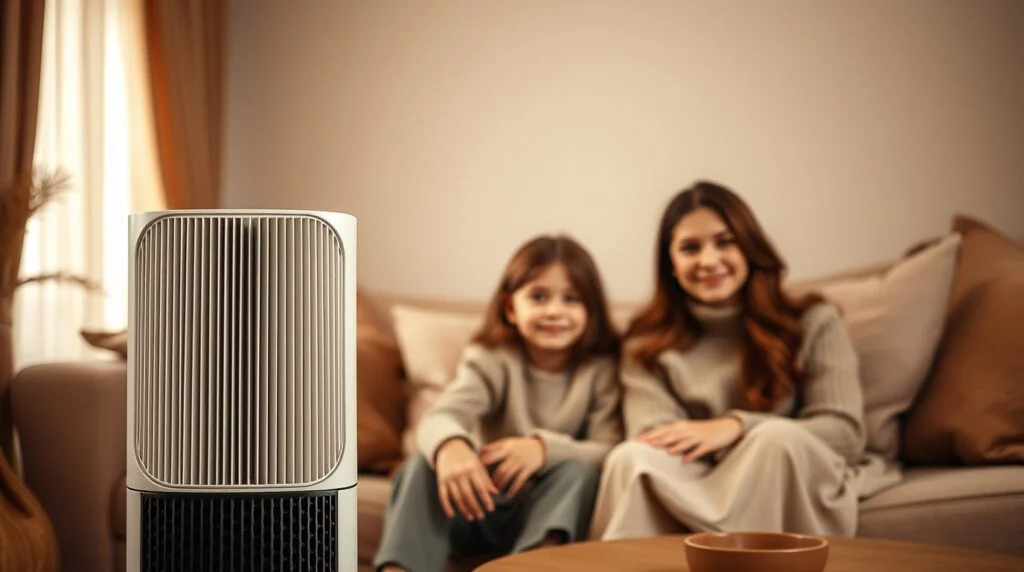
Most people spend a significant portion of their lives indoors, whether at home, work, or school. While attention is often given to outdoor pollution, the quality of the air inside buildings can have an even greater impact on long term health. Indoor air contains a mixture of particles, gases, and biological contaminants that may influence breathing, energy levels, and overall wellness. By understanding the factors that affect indoor air quality, individuals can create healthier living environments that support physical and mental well being.
Why Indoor Air Quality Matters
Indoor air quality directly affects how comfortably and efficiently people live. Poor ventilation can trap pollutants such as dust, pet dander, mold spores, and chemical fumes inside a building. Over time, exposure to these pollutants may contribute to allergies, respiratory irritation, headaches, and reduced concentration.
Many homeowners are becoming more aware of sustainable housing improvements while researching programs such as pm surya ghar yojana price list. Alongside energy efficient upgrades, ensuring proper airflow and cleaner indoor environments can significantly improve the overall quality of life.
Common Sources of Indoor Air Pollution
Indoor pollutants often come from everyday household activities. Cooking without proper ventilation, smoking indoors, cleaning products, paints, furniture, and even carpets can release chemicals into the air. Dust mites and mold thrive in humid environments, while pollen can easily enter through open windows and doors.
Modern buildings are designed to be energy efficient, but tighter construction sometimes reduces natural ventilation. Without adequate airflow, contaminants remain trapped inside for longer periods, increasing exposure for occupants.
The Connection Between Air Quality and Respiratory Health
Clean air is essential for healthy lungs. Poor indoor air quality can aggravate asthma, trigger allergic reactions, and increase susceptibility to respiratory infections. Children and older adults are especially vulnerable because their immune systems may be more sensitive to airborne pollutants.
Simple habits such as opening windows when weather permits, using kitchen exhaust fans, and replacing HVAC filters regularly can reduce harmful particles. Maintaining balanced humidity levels also discourages mold growth, which is a common source of indoor air problems.
Indoor Air and Mental Wellness
Air quality influences more than physical health. Studies have shown that cleaner indoor environments may improve focus, productivity, and overall mood. High concentrations of carbon dioxide due to poor ventilation can leave people feeling tired, unfocused, and less productive.
Organizations that prioritize employee wellness often recognize the value of maintaining clean indoor air. Whether working in government offices, educational institutions, or administrative departments associated with programs like hkrn, healthier indoor spaces contribute to improved comfort and better workplace performance.
Everyday Habits That Improve Indoor Air Quality
Improving indoor air quality does not always require expensive renovations. Many effective strategies involve simple daily habits.
Keep living spaces clean by vacuuming carpets and dusting surfaces regularly. Choose low emission paints and furniture whenever possible. Houseplants may offer aesthetic benefits, although they should not be considered replacements for proper ventilation. Air purifiers equipped with high efficiency filters can also help remove airborne particles in homes where allergies are a concern.
Regular maintenance of heating and cooling systems ensures that filters continue capturing pollutants efficiently. It is equally important to inspect homes for water leaks, as moisture encourages mold development that negatively affects air quality.
Seasonal Changes and Indoor Environments
Different seasons bring different indoor air challenges. During winter, homes often remain sealed to retain warmth, reducing fresh air circulation. Summer humidity may increase mold growth, while spring introduces higher pollen levels.
Families often spend additional leisure time indoors during holidays and festive occasions, whether discussing local traditions or checking the results of events like the punjab state dear lottery. These periods make it even more important to maintain clean indoor environments through regular ventilation and household maintenance.
Building Healthier Homes for the Future
Long term wellness depends on creating living spaces that support healthy habits. Smart home technologies now allow homeowners to monitor humidity, temperature, and air quality in real time. These systems provide valuable insights that help prevent indoor pollution before it becomes a serious concern.
Communities are also becoming increasingly interested in sustainable housing initiatives and responsible land management. Discussions around property related services, including mee intiki mee bhoomi, often highlight the importance of planning homes that provide both environmental sustainability and healthier indoor living conditions.
Conclusion
Indoor air quality is one of the most overlooked aspects of long term wellness. Since people spend much of their lives inside buildings, the air they breathe every day plays a major role in their physical health, mental clarity, and overall quality of life. Small improvements such as better ventilation, routine maintenance, humidity control, and cleaner household products can make a lasting difference.
By paying greater attention to indoor environments, homeowners and families can reduce exposure to harmful pollutants while creating spaces that promote comfort, productivity, and better health for years to come. Investing in cleaner indoor air today is an investment in long term wellness for everyone who shares the space.