
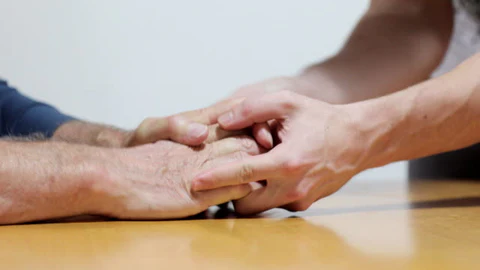
A man can look healthy, keep working, drive across town, mow the lawn, and still miss the first quiet signals from his nervous system. That is what makes Parkinson’s symptoms so easy to brush aside in the beginning: they rarely arrive like a movie scene, and they often look like aging, stress, old injuries, or a bad night of sleep. Parkinson’s disease is a progressive nervous system disorder that can cause tremor, stiffness, slowed movement, and balance problems as symptoms grow over time. For men in the USA, the smarter move is not panic. It is pattern recognition. One shaky hand after coffee may mean nothing. A shrinking signature, a quieter voice, a dragging foot, and a stiff shoulder that never fully loosens deserve attention. You do not need to diagnose yourself at the kitchen table. You need to notice the pattern early enough to bring it to a doctor who can take it seriously.
For more health awareness resources written for everyday readers, many Americans look for plain-language wellness guidance that helps them ask better questions before appointments. Early concern does not make you weak. It makes you harder to dismiss.
Parkinson’s Symptoms Men Often Mistake for Normal Aging
The first trap is pride. Many men explain away small body changes because they can still function, still work, still “push through.” That instinct may help during a rough week, but it can delay a medical conversation when the pattern keeps growing. Parkinson’s can begin slowly, and Mayo Clinic notes that an early sign may be a barely noticeable tremor in one hand, foot, or jaw, while stiffness and slowed movement may also develop.
Why a Slight Hand Tremor Deserves More Than a Quick Excuse
A tremor is not automatically Parkinson’s. Caffeine, anxiety, some medications, thyroid issues, and essential tremor can all make hands shake. The detail that matters is context. A Parkinson’s-related tremor often shows up when the hand is resting, not when it is actively gripping a tool or lifting a cup.
A man in Ohio might notice his right thumb rubbing against his finger while watching TV. He may joke about it, tuck his hand under his leg, and move on. That small hiding behavior matters because people often adjust around symptoms before they admit the symptom exists.
The counterintuitive part is that movement can make a Parkinson’s tremor look better for a moment. Rest can reveal it. That is why a tremor that appears while sitting quietly but fades during action deserves a doctor’s look, especially when it stays on one side.
How Stiffness Can Hide Behind Old Injuries
Stiffness sounds ordinary after 50. Men blame the golf swing, the warehouse shift, the old football knee, or a weekend spent fixing gutters. The warning sign is not soreness after effort. It is stiffness that seems out of proportion, lingers without a clear cause, or makes one side of the body feel less natural.
A stiff shoulder can send a man to an orthopedic clinic before anyone thinks about neurology. That is not failure. It is common because early signs of Parkinson’s can wear the costume of muscle strain. The body does not always label the problem correctly for you.
Watch how stiffness changes daily movement. A man may stop buttoning a sleeve with ease, turn his whole body instead of rotating his neck, or take longer to get out of a booth at a diner. Small delays become meaningful when they cluster.
Movement Changes That Show Up Before a Diagnosis
After tremor and stiffness, the next clue often lives in pace. Men rarely describe this as “slow movement” at first. They say they feel off, clumsy, heavy, or not as quick as they used to be. That language matters because the earliest motor changes may feel like effort rather than illness.
Slow Movement That Looks Like Low Energy
Slow movement can affect how a man starts tasks, not only how fast he completes them. He may stand up and pause before walking. He may need more effort to roll over in bed. He may take longer to shave, write a check, or pull a wallet from his pocket.
Parkinson’s Foundation describes Parkinson’s as a progressive brain disorder involving dopamine-producing neurons, with movement symptoms such as tremor, stiffness, and slow movement, plus non-movement issues like sleep and mood changes. The difficult part is that slow movement can look like fatigue from work, poor sleep, or depression.
A useful home observation is comparison. Has one arm stopped swinging as much when you walk? Does one foot scuff the floor more than the other? Does the body feel slower on one side? Those details help a clinician separate vague tiredness from a movement pattern.
Smaller Handwriting and the Signature Problem
Handwriting can expose what pride hides. A man may not notice his walking has changed, but he may see that his signature has become cramped, crowded, or smaller by the end of a line. This change can appear before family members connect the dots.
The strange part is that the hand may still feel strong. A man can open jars, carry groceries, and handle tools, yet his writing shrinks. Strength is not the whole story. Parkinson’s disease in men can affect rhythm, size, and smooth control before it steals obvious power.
A practical test is simple. Save a recent handwritten note, then compare it with one from a few years ago. Do not obsess over one messy grocery list. Look for a repeated pattern across checks, forms, birthday cards, or work notes.
Early Signs of Parkinson’s Beyond the Hands
The hands get attention because tremor is visible. The quieter changes often arrive in the face, voice, sleep, and sense of smell. These signs can frustrate men because they do not feel “neurological” at first. They feel personal, emotional, or random.
A Quieter Voice Can Change How People Respond to You
A softer voice can sneak into daily life. Friends may ask a man to repeat himself at dinner. His spouse may think he sounds flat or less interested. Coworkers may talk over him in meetings because his voice no longer carries across the room.
This can create a harsh misunderstanding. A man may look less expressive, blink less, or speak more softly, so people read him as cold, tired, or annoyed. Facial masking is not a character flaw. It can be a movement issue written across the face.
The real-world consequence is social. A man in Texas who once led church announcements may stop volunteering because speaking feels harder. He may call it confidence. The body may be forcing the retreat before he has words for it.
Sleep, Smell, and Mood Changes That Seem Unrelated
Sleep can offer an early clue, especially when a man acts out dreams, kicks, punches, or shouts while asleep. Not every restless night points to Parkinson’s, but repeated dream-enactment behavior deserves medical attention because it can connect with neurological changes.
A fading sense of smell can also be overlooked in the USA because allergies, sinus problems, smoke exposure, and viruses give people easy explanations. The signal matters more when smell loss appears with tremor and stiffness, not when it stands alone.
Mood changes add another layer. Anxiety, low mood, and flat motivation may appear before a diagnosis, and men often hide them behind irritability. The unexpected insight is that emotional changes may not be “all in your head” in the casual sense. They can reflect the same brain changes that later affect movement.
When Men Should Talk to a Doctor About Parkinson’s Symptoms
Concern becomes useful when it leads to action. No single sign proves Parkinson’s, and no online article should replace a medical exam. The right step is to bring a clear pattern to a primary care doctor or neurologist, especially when symptoms affect one side, slowly progress, or interfere with daily life.
What to Track Before the Appointment
A doctor can do more with specifics than with “I feel strange.” Track when the symptom started, which side it affects, what makes it better or worse, and whether family members have noticed changes. A short note on your phone is enough.
Useful details include:
- Tremor at rest or during action
- Stiffness in one shoulder, arm, or leg
- Smaller handwriting over time
- Reduced arm swing while walking
- Softer voice or flatter facial expression
- Dream acting, loss of smell, or constipation
- Falls, balance changes, or foot dragging
Bring medication names, supplement use, and recent health changes. Some drugs and medical conditions can mimic parts of Parkinson’s, so a clean list protects you from rushed assumptions. The goal is not to prove a diagnosis. The goal is to give the clinician a sharp picture.
Why Early Care Is About Control, Not Fear
Early medical care does not mean your life suddenly becomes smaller. It can make life more manageable because treatment, exercise, speech therapy, occupational therapy, and planning work best when they start before every routine becomes harder.
Men often wait until symptoms embarrass them. That is backwards. The strongest time to act is when you can still walk into the appointment under your own momentum, explain the changes clearly, and make decisions with room to breathe.
The National Institute of Neurological Disorders and Stroke describes Parkinson’s as progressive and notes that symptoms may affect walking, talking, balance, and simple tasks as the disease advances. Early action gives you a better chance to protect work, driving, fitness, family roles, and confidence.
A man does not need to become an expert overnight. He needs to become a better witness to his own body. That single shift can change the whole timeline.
The hardest part of early Parkinson’s is not always the symptom. It is the quiet bargaining that follows: one more month, one more excuse, one more explanation that lets you avoid the appointment. Parkinson’s symptoms should not send you into fear, but they should make you pay attention when they cluster and keep returning. Men are often praised for toughness, yet toughness without honesty can become a trap. The better version is direct, calm, and practical. Notice what changed. Write it down. Ask someone close to you what they see. Then book a visit with a doctor who can examine the pattern instead of guessing from a distance. Your next step is simple: if tremor, stiffness, slower movement, smaller handwriting, voice changes, or balance shifts are becoming part of daily life, schedule a medical evaluation and bring your notes with you. The strongest men do not ignore warning signs. They answer them early.
Frequently Asked Questions
What are the first warning signs of Parkinson’s disease in men?
Early warning signs often include a resting hand tremor, stiffness on one side, slower movement, smaller handwriting, softer speech, reduced arm swing, and a less expressive face. Sleep changes, constipation, smell loss, and mood shifts may also appear before movement problems become obvious.
Can Parkinson’s disease in men start without a tremor?
Yes, Parkinson’s can begin without a clear tremor. Some men first notice stiffness, slower walking, smaller handwriting, shoulder tightness, balance changes, or reduced arm swing. Tremor is common, but its absence does not rule out the condition.
How does Parkinson’s stiffness feel in the early stage?
Early stiffness may feel like tightness, heaviness, or resistance in one shoulder, arm, hip, or leg. It may not improve much with rest. Some men mistake it for arthritis, an old injury, or normal aging until movement becomes slower.
When should a man see a doctor for a hand tremor?
A man should seek medical advice when a tremor keeps returning, appears at rest, affects one side more than the other, or appears with stiffness, slower movement, handwriting changes, or balance problems. A doctor can check for Parkinson’s and other possible causes.
Is smaller handwriting an early Parkinson’s sign?
Smaller handwriting can be an early sign, especially when letters become cramped, crowded, or shrink as writing continues. It matters more when it appears with other changes such as tremor, stiffness, slower movement, or reduced arm swing.
Can sleep problems happen before Parkinson’s is diagnosed?
Yes, sleep problems may appear before diagnosis. Acting out dreams, kicking, shouting during sleep, restless sleep, and daytime tiredness can occur in some people. Repeated dream-enactment behavior should be discussed with a healthcare provider.
Are mood changes linked to early Parkinson’s disease?
Mood changes can be linked to Parkinson’s, including anxiety, low mood, apathy, or irritability. These changes may appear before obvious movement symptoms. They should not be dismissed as weakness, especially when physical changes are also present.
What should men track before a Parkinson’s evaluation?
Track when symptoms started, which side they affect, whether they are getting worse, and how they change daily tasks. Notes about tremor, stiffness, walking, handwriting, voice, sleep, smell, constipation, and falls can help the doctor understand the pattern.